


Premium Caviar: Best Producing Countries and Buying Guide

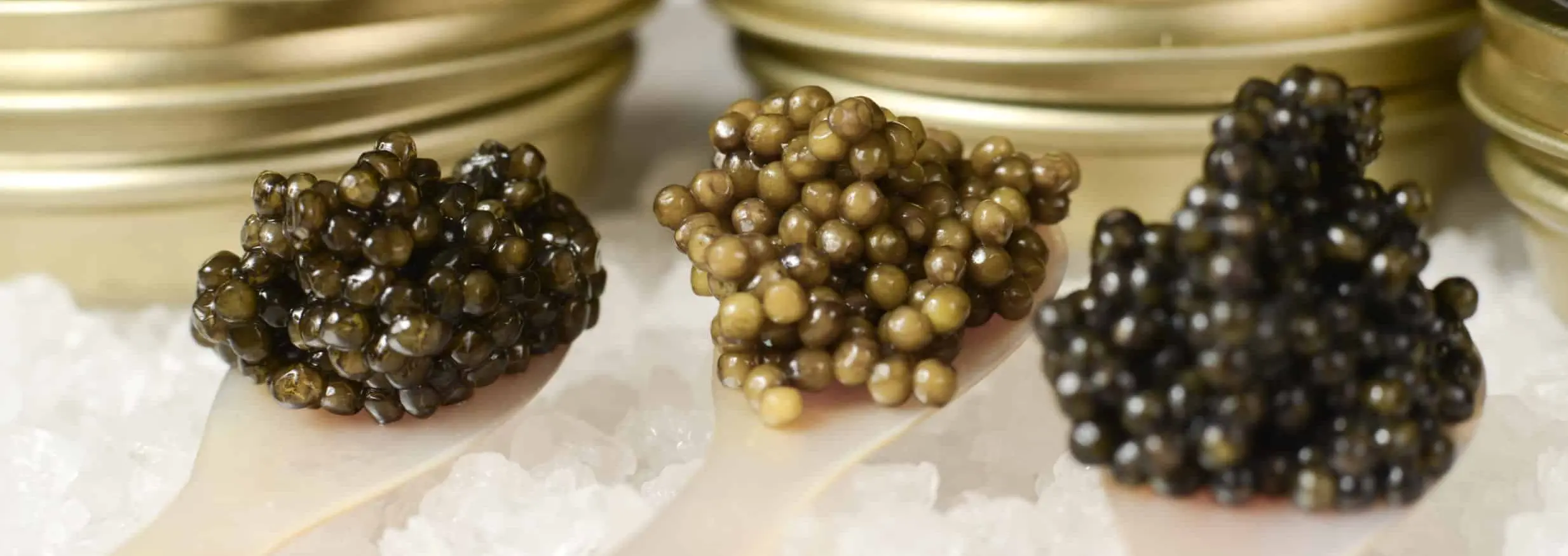
Premium Caviar: Top 5 Producing Countries and What Makes Them Unique
Premium Caviar remains one of the world’s most sought-after luxury foods, prized for texture, flavor and culinary prestige. In this guide I explain the five leading countries producing high-quality caviar, discuss caviar sustainability, explore the differences between farmed caviar vs wild caviar, and provide practical guidance on traceability, Beluga caviar price considerations and how to identify trusted Kaviar Produzenten.
Why this guide matters (expert perspective)
As a senior writer focusing on gastronomy and seafood supply chains, I review production practices, regulatory context and market signals to help chefs, distributors and discerning consumers make informed choices. This overview references broadly reported trends — including growth in aquaculture, changing caviar export figures and industry forecasts for caviar production 2026 — and highlights verifiable indicators like certification, traceability and species labelling.
1. Iran — Historical Heart of Premium Kaviar
Iran has long been associated with classic sturgeon caviar from the southern Caspian Sea. Species such as Beluga (Huso huso), Osietra (Acipenser gueldenstaedtii) and Sevruga have contributed to Iran’s reputation. Iranian caviar is often described as creamy, large-grained and richly flavored. Traditional harvesting knowledge combined with pockets of modern aquaculture make Iran an enduring name among the best caviar countries.
Reputable Iranian Kaviar Produzenten stress quality control and traceability for export markets. When assessing products, look for COAs (certificates of authenticity), clear species names and compliance with international trade rules (including CITES where applicable).
2. Russia — Legacy and Modern Aquaculture
Russia’s historical link to caviar, especially from the Volga and northern Caspian region, informs its continued importance. Due to conservation and trade restrictions on wild stocks, many Russian producers now focus on aquaculture. Farmed Russian caviar can deliver large, firm pearls and a bold, briny profile that many traditionalists appreciate.
Russian producers have invested in sustainable farming systems, water management and veterinary standards. This evolution has helped maintain Russia’s standing among the best caviar countries while addressing concerns about overfishing of wild sturgeon.
3. China — Rapid Growth and Global Scale
China is today one of the largest producers of farmed caviar in the world. Regions with advanced aquaculture operations have scaled production and introduced rigorous quality control; brands such as Kaluga Queen have brought Chinese caviar to international luxury markets. Chinese farms supply a wide range of sizes and curing styles, and their capacity has influenced global caviar export figures over the last decade.
China’s rise demonstrates how targeted investment in hatchery technology, genetics and processing can alter market dynamics — an important factor when evaluating caviar production 2026 and beyond.
4. Italy — Craftsmanship, Traceability and Consistency
Italy has developed a reputation for carefully farmed caviar, with producers emphasizing clean water, traceability and artisanal processing. Italian caviar is frequently praised for balanced, nutty flavors and consistent quality — characteristics that appeal to chefs who value predictable taste and texture in fine dining.
Italian Kaviar Produzenten often provide detailed origin documentation and follow standards that support caviar sustainability and animal welfare. For buyers seeking premium Kaviar with strong supply-chain transparency, Italy is a top contender.
5. France — Culinary Tradition Meets Aquaculture Innovation
France combines culinary savoir-faire with refined aquaculture methods. French producers, especially in regions like Aquitaine, prioritize gentle curing techniques, smaller-batch production and full traceability. The result is caviar with subtle, elegant flavors and a focus on quality rather than volume.
France’s approach appeals to chefs and consumers who prioritize artisanal finishing and documented provenance, reinforcing France’s position among the best caviar countries.
Farmed Caviar vs Wild Caviar: What Consumers Should Know
The question farmed caviar vs wild caviar is central to modern caviar sourcing. Due to international protections for many sturgeon species and severe declines in wild populations, most premium caviar available today comes from aquaculture. Well-managed farms can produce high-quality roe with consistent grain size, controlled salting and documented species origin. Wild caviar historically carried prestige, but ethical and legal considerations now make responsibly farmed products the preferred option for most markets.
When evaluating caviar, prioritize brands that disclose whether their product is farmed or wild, provide species identification and supply chain traceability.
Caviar Sustainability and Certification
Caviar sustainability is a multi-dimensional issue covering stock recovery, habitat protection, fish welfare, and the carbon footprint of production and transport. Look for producers who publish environmental policies, participate in stock-restoration programs, or work with third-party auditors. Certifications and adherence to legal frameworks like CITES, national fisheries management and recognized aquaculture best practices strengthen trust.
Wherever possible, request documentation: species name, production method (farmed vs wild), farm location and export paperwork. Brands that emphasize these elements demonstrate higher levels of accountability.
Market Signals: Beluga Caviar Price and Export Trends
Beluga caviar price remains a key market indicator because of the species’ rarity and size of pearls. Authentic Beluga can command premium prices, particularly where provenance is well-documented. Broader caviar export figures reflect industry shifts — increased farmed output from China and Europe, tighter regulation of wild fisheries, and growing demand from luxury hospitality sectors.
Anyone tracking the market should follow official trade data and industry reports to monitor caviar production 2026 projections and evolving export figures. These sources provide a clearer picture than isolated price points.
How to Choose and Store Premium Kaviar
- Verify origin and species: insist on clear labelling that names the species (e.g., Beluga, Osetra).
- Prefer traceability: look for farm or producer information and certificates.
- Check packaging dates: fresh caviar has a limited shelf life; unopened tins should be stored at recommended temperatures.
- Storage: keep unopened caviar refrigerated at 0–4°C; once opened, consume within 48–72 hours depending on the producer’s guidance.
- Serving: avoid metal spoons; use mother-of-pearl, bone or wooden utensils to preserve flavor.
SB Caviar and Other Producers to Consider
Some producers combine traditional know-how with modern aquaculture and traceability systems. For example, SB Caviar (SardashtiBusiness) emphasizes a blend of Iranian heritage and contemporary quality controls to supply premium caviar products to European markets. When researching Kaviar Produzenten, prioritize those that publish independent testing, species verification and environmental commitments.
Continue Exploring Caviar
If you’d like to learn more about premium caviar, these guides may be helpful:
• What is Caviar and Its Types
• What to Eat with Caviar
• Iranian vs Russian Caviar
• Explore Our Premium Caviar Collection
Frequently Asked Questions
Which country produces the most expensive caviar?
Beluga caviar price is typically the highest among caviar types due to pearl size and sought-after flavor. Historically, caviar from the Caspian region (Iran and Russia) has commanded top prices, but provenance, scarcity and quality of documentation determine market value today.
Is Chinese caviar as good as Iranian or Russian caviar?
China has become a major producer and offers products with strong consistency and quality control. Some consumers still prefer Iranian or Russian caviar for historical reasons and flavor preferences, but many Chinese producers now supply premium-grade products that compete on taste and technical standards.
How can I ensure the caviar I buy is sustainably sourced?
Ask for documentation: species name, farm location, production method and certificates. Look for producers engaged in responsible aquaculture, transparent supply chains, and independent verification. Brands that openly discuss caviar sustainability and publish audit results demonstrate higher trustworthiness.
Why track caviar export figures and production forecasts?
Export figures and forecasts for caviar production 2026 help buyers, chefs and importers understand supply trends, price pressure and shifting geographic leadership. This information supports procurement decisions and risk assessments in the luxury food sector.
Conclusion — Choosing Premium Caviar with Confidence
Caviar remains a symbol of culinary luxury, and today’s market offers high-quality options from Iran, Russia, China, Italy and France. The combination of proven producers, transparent documentation and sustainable aquaculture practices determines long-term value. Whether you search for authentic Beluga or prefer consistently produced farmed varieties, prioritize traceability, reliable producer information and independent assurances of caviar sustainability.
For chefs, retailers and connoisseurs, understanding farmed caviar vs wild caviar, following export figures, and scrutinizing Beluga caviar price in context will help you select premium products that meet both gastronomic and ethical expectations.