


Iranian vs Russian Caviar: Comparison and Buying Guide

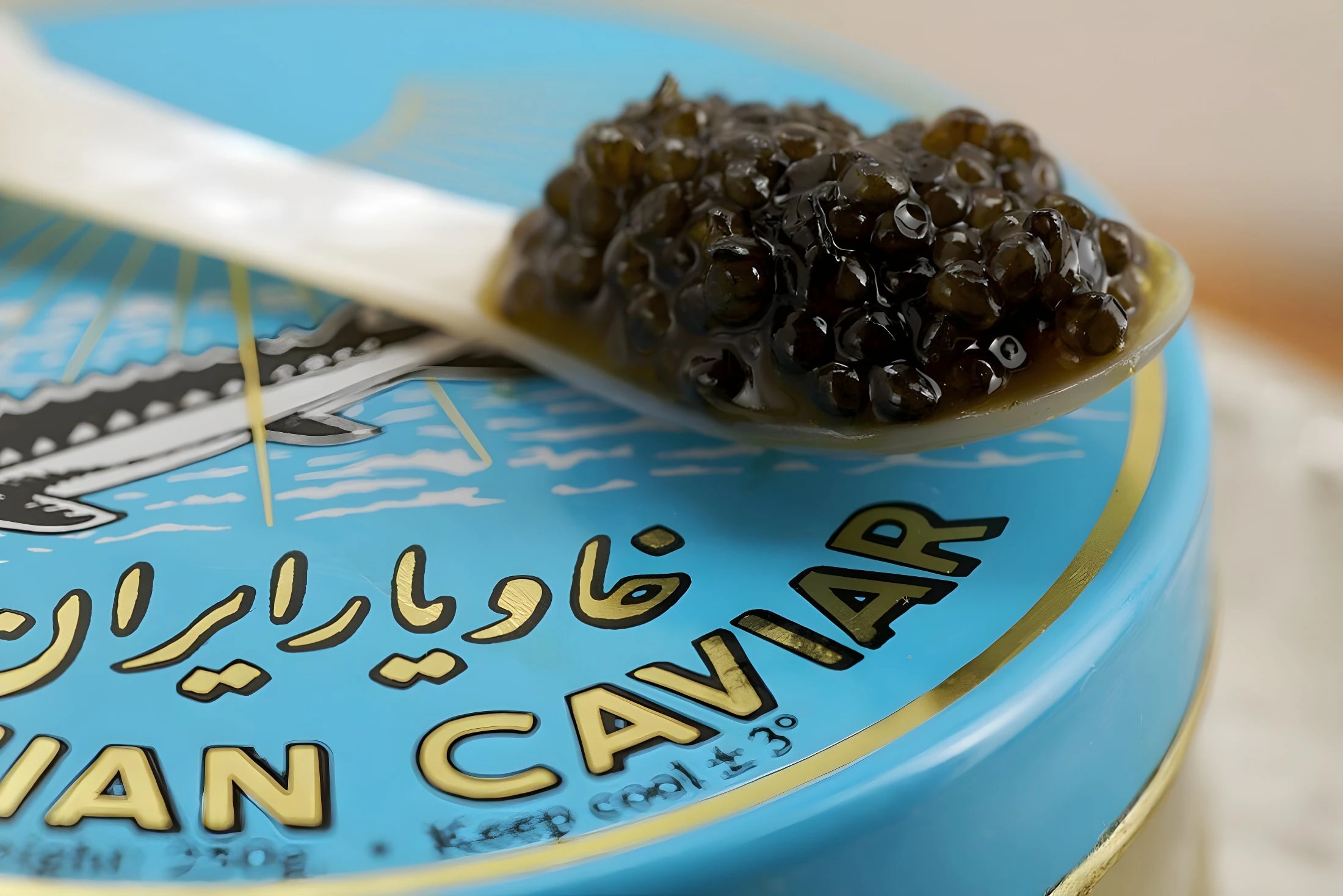
Choosing between Iranian and Russian caviar is not simply a question of nationality. Species, producer, curing, freshness, traceability and cold-chain handling all influence the final experience. This guide compares the two traditions while giving buyers in Germany and Europe a practical framework for assessing quality, value and seller transparency.
Iranian vs Russian Caviar at a Glance
| Factor | Iranian caviar | Russian caviar | What buyers should consider |
|---|---|---|---|
| Provenance | Historically associated with Iran’s southern Caspian coast | Historically associated with Russia’s northern Caspian and Volga traditions | Confirm the declared country of production and producer rather than relying on regional reputation alone |
| Taste and texture | Often described as refined, creamy and gently nutty | Often described as more pronounced, briny and firm | These are broad tendencies; species, curing and individual batches can matter more than nationality |
| Product range | Includes recognised sturgeon varieties offered in different grades and formats | Includes a broad range of producers, varieties and price levels | Compare the species, label, pack size and storage information |
| Quality | Origin alone does not guarantee quality | Look for clear labelling, intact packaging, appropriate refrigeration and transparent seller information | |
| Best choice | Depends on taste, occasion, budget and confidence in traceability | Choose the documented product that best suits your preferences | |
Origins and Provenance
Iran and Russia both have longstanding connections to the Caspian caviar trade. That heritage provides useful context, but it should not be treated as proof of a particular tin’s quality or production history. Modern buyers should assess the information printed on the package and supplied by the retailer. For broader context, see our guide to leading caviar-producing countries.
Iranian Caviar Traditions
Iranian caviar is historically associated with the southern Caspian region and is often valued for an elegant, restrained sensory profile. Individual products can nevertheless differ considerably according to sturgeon species, maturity, curing and handling. A clear producer declaration and traceable product label are more useful buying signals than reputation alone.
Russian Caviar Traditions
Russian caviar traditions are closely connected with the northern Caspian region and the Volga basin. Today, Russian-labelled products can represent different producers, species and production systems. Buyers should therefore compare the specific product information rather than assuming that all Russian caviar shares one flavour, texture or quality level.
Taste, Texture and Caviar Varieties
Typical Sensory Differences
Iranian caviar is frequently described as creamy, clean and delicately nutty, while Russian caviar is often associated with a firmer pearl and a more pronounced saline character. These descriptions are useful starting points, not fixed rules. Species, salt level, freshness and batch variation may have a greater effect than country alone.
Beluga, Osietra and Sevruga
The species and commercial selection should be identified before comparing products. Beluga Caviar is known for generous pearls and a delicate mouthfeel, while Osietra Caviar is commonly appreciated for nutty complexity and a firmer texture. Sevruga is typically associated with smaller pearls and a more concentrated flavour. Our guide to caviar and its principal varieties explains the terminology in more detail.
Quality, Traceability and Sustainability
Quality Indicators and Malossol Curing
Malossol means lightly salted. It describes a curing approach, not a universal quality grade. When evaluating a tin, consider the complete product presentation:
- Clear identification of the sturgeon species or commercial selection
- Producer, country of production and batch or lot information
- Intact packaging and legible storage instructions
- Pearls that appear appropriately formed for the stated variety
- A salt balance that supports rather than overwhelms the natural flavour
- Reliable refrigeration from dispatch through delivery
Appearance can support an assessment, but it cannot confirm authenticity or quality by itself.
CITES Labelling and Product Traceability
International trade in sturgeon caviar is subject to CITES controls. The information available to a retail customer may differ from the documentation used by importers and exporters. A reputable seller should be able to explain the traceability information on the container, identify the producer and declared origin, and answer reasonable questions about the supply chain. Buyers should not assume that nationality or a premium price proves lawful sourcing.
Farmed Caviar and Responsible Sourcing
Most caviar available through established European retail channels is farmed. Aquaculture can support sturgeon conservation when production and trade are responsibly managed, but farming alone is not proof of sustainability. Transparent origin information, lawful trade, appropriate animal husbandry and credible production practices remain relevant considerations.
Price and Value
Factors Influencing Price
Caviar prices can reflect species, pearl characteristics, grading, curing, production volume, packaging and refrigerated logistics. Brand positioning and market availability may also affect the final retail price. Beluga frequently occupies a premium price tier, but no variety should be assumed to be the most expensive in every market or for every grade.
Comparing Price per Gram
Compare like-for-like products by calculating the price per gram, then consider what is included in the offer. Species, declared origin, pack size, traceability information and refrigerated delivery should be comparable. A lower headline price may not represent better value if the package is smaller, the delivery charge is separate or essential product information is unclear.
Buying Caviar in Germany and Europe
How to Evaluate a Seller
- Check whether the seller clearly identifies the product, producer and declared origin.
- Look for transparent storage, delivery and returns information.
- Confirm that the retailer can explain the label and relevant traceability details.
- Compare price per gram across genuinely comparable products.
- Treat unusually low prices or vague product descriptions as reasons to ask further questions.
Documentation, Packaging and Cold-Chain Delivery
Caviar is temperature-sensitive. Before ordering, confirm that the seller uses suitable insulated packaging, cooling elements and an appropriate delivery service. The tin should arrive sealed and cold, with readable storage instructions. If anything about the packaging, temperature or label appears unclear, contact the retailer before serving the product.
Which Caviar Should You Choose?
Choose according to the experience you prefer rather than treating one country as automatically superior. A softer, restrained profile may suit delicate service, while a firmer pearl and stronger saline presence may work well with more traditional accompaniments. Your intended occasion, budget and confidence in the seller’s traceability should guide the decision. You can compare the available options in the Sardashti Business caviar collection.
Serving and Storage
Keep caviar refrigerated according to the instructions on its packaging and open it shortly before serving. Present it well chilled and use a mother-of-pearl spoon or another suitable non-reactive utensil. Simple accompaniments allow its texture and flavour to remain central. For additional ideas, see our guide to serving and pairing caviar.
Frequently Asked Questions
What is the main difference between Iranian and Russian caviar?
The distinction concerns production tradition and declared provenance, but taste and texture also depend on species, producer, curing and freshness. Iranian caviar is often described as refined and creamy, while Russian caviar is frequently associated with a firmer, more pronounced profile.
Is Iranian caviar better than Russian caviar?
Neither origin is inherently better. Quality varies between producers and batches. The best choice depends on sensory preference, product information, handling and confidence in traceability.
Which factors influence caviar prices?
Species, grading, pearl characteristics, curing, pack size, availability, packaging and refrigerated logistics can all influence price. Comparing price per gram helps when the products are otherwise similar.
How can I assess CITES labelling and product traceability?
Check the container for clear product and traceability information, then ask the seller to explain anything unclear. Retail customers should not assume they will receive the same documents used during international import or export procedures.
Can I buy Iranian or Russian caviar online in Germany and Europe?
Yes, subject to the seller’s current delivery area. Choose a retailer that provides clear product identification, suitable refrigerated transport and transparent storage guidance.
How should caviar be shipped, stored and served?
It should be transported cold in appropriate insulated packaging, refrigerated according to its label and served well chilled. Follow the product-specific instructions supplied with the tin.